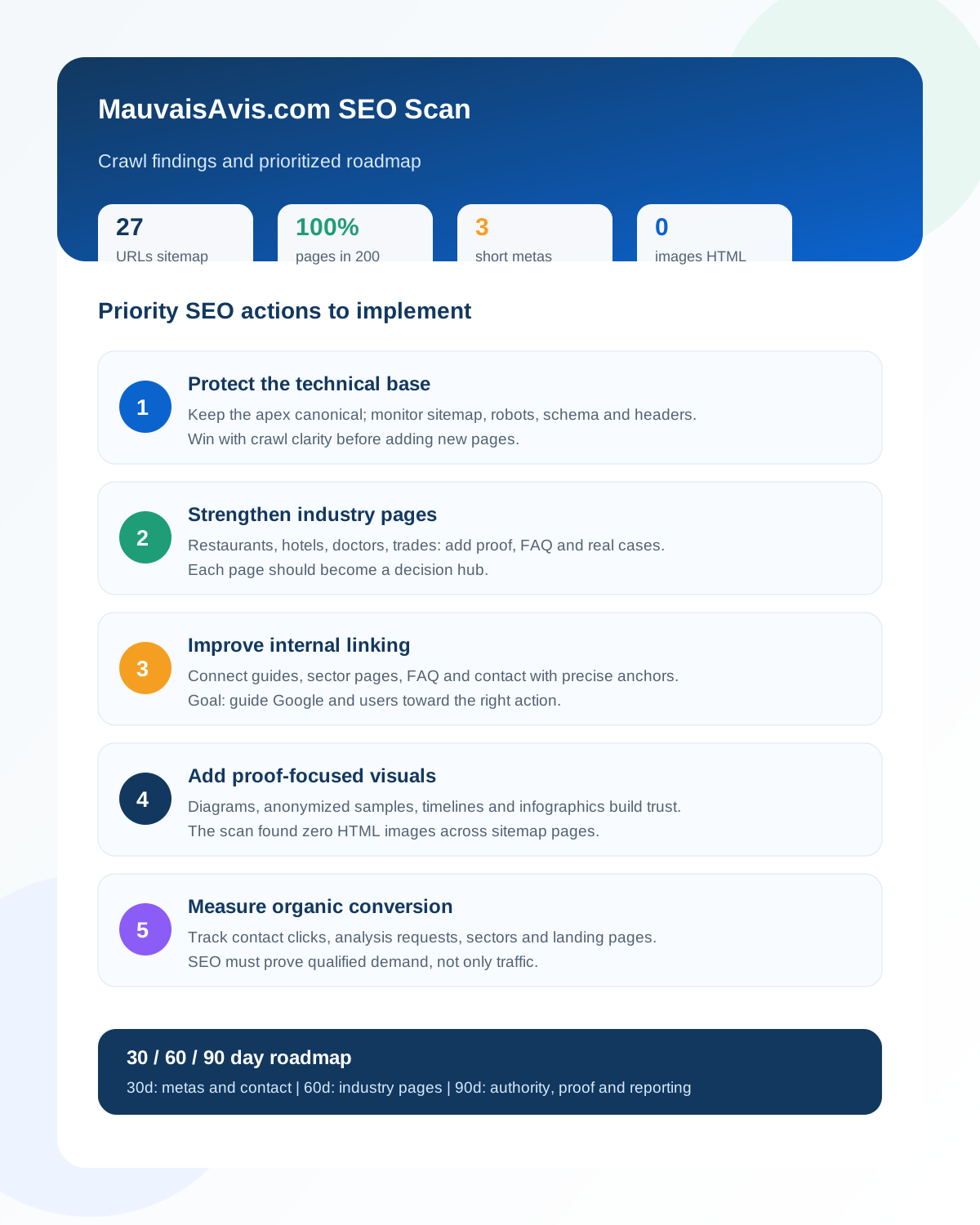
This SEO scan of MauvaisAvis.com was completed on June 22, 2026 using the public site response, robots.txt, XML sitemap and a light crawl of the listed pages. The site starts from a solid technical base: the www version redirects to the apex domain, all 27 sitemap URLs return 200, canonicals are aligned, each audited page has one H1, and the main structured data types are already present.
The real opportunity is not to fix a broken website. It is to turn a technically clean service site into a stronger SEO engine: more proof, more useful pages for industry-specific intent, sharper internal linking and conversion tracking that can show which review-related searches become qualified analysis requests.
To frame that work, the first layer should be a recurring technical SEO audit, followed by full-service SEO support that connects content, authority and conversion. The goal is not only to rank for Google review removal terms. It is to capture every situation where a professional needs a reliable answer: fake customers, defamatory reviews, rating blackmail, malicious competitors, medical confidentiality issues or a local reputation problem that is starting to affect revenue.
What the SEO scan shows
The crawl shows several healthy signals. The robots.txt file allows crawling and points to the sitemap. The sitemap matches a short, understandable architecture: homepage, main Google review removal page, FAQ, contact page, industry pages and blog articles. The detected schema types include LegalService, Service, FAQPage, Article, BreadcrumbList and WebSite. For a service at the intersection of online reputation and legal action, that foundation helps search engines understand the offer.
The weaker points are more editorial than technical. Three meta descriptions are too short: the blog, FAQ and legal notice pages. The contact page has about 334 words, which may be enough for a form, but it is light for a page that has to reassure a worried prospect. Industry pages often sit around 600 words. They target restaurants, hotels, doctors, dentists, tradespeople and garages correctly, but they can still gain depth through examples, evidence and answers tailored to each professional context.
Another important finding: the crawl found zero HTML images across the 27 sitemap URLs. That is not an accessibility issue because there are no missing alt attributes, but it is a missed opportunity. Process diagrams, anonymized examples, legal timelines, mini-infographics and trust visuals can improve comprehension, time on page, sharing and conversion.
Strategy 1: protect the technical signals
The first technical priority is to preserve what already works. The canonical choice should stay clear: www redirects with a 301 to the apex domain, and the sitemap uses the apex version. This should be checked after every deployment because mixed variants can dilute signals and make Search Console reporting harder to interpret.
Each strategic page should also follow a publication checklist: title under 70 characters, meta description around 140 to 160 characters, one H1, clean canonical, an internal link from a relevant page, appropriate schema and sitemap inclusion. The site already has a good base, but this routine prevents future industry pages or blog posts from lowering the average quality of the domain.
Strategy 2: turn industry pages into real hubs
The industry pages are the strongest long-tail lever. A restaurant owner does not search exactly like a doctor, and a garage does not face the same reputation risk as a real estate agency. Each page should go beyond generic service copy and include three practical blocks: common sector-specific situations, evidence to collect before reporting, and possible responses depending on the type of review.
For example, a restaurant page can address fake reviews after a refused discount, hygiene accusations, confusion between two venues and the public response to use while the removal process is underway. A doctor page can discuss anonymization, medical confidentiality, defamatory wording and the limits of public replies. That level of specificity helps SEO, but more importantly it shows the reader that the service understands the real problem.

Strategy 3: strengthen internal linking and editorial authority
The site already has a blog, but the linking model can become more intentional. Each article should point to the closest service or industry page, and every industry page should link back to two or three useful guides. This turns the blog into a decision-support system rather than a simple content archive.
An article about defamation can support the main Google review removal page. A guide on timeline and cost can push readers toward the contact page. A post about anonymous fake reviews can support the restaurant, tradesperson and retail pages. To identify the site being audited, the editorial backlink to www.mauvaisavis.com should stay natural, placed in a paragraph that discusses the audit target rather than forced into an artificial sentence.
On SEOCastell, the most relevant related guide is the article on technical SEO and Core Web Vitals, because the same live-verification mindset applies: an SEO recommendation is only useful if it can be checked on the real page, with its tags, links and mobile behavior.
Strategy 4: add proof and visual assets
A website about bad reviews has to reduce fear. Text is essential, but visual proof makes the process easier to understand: a removal timeline, anonymized examples of eligible review issues, a matrix comparing negative reviews and defamatory reviews, a pre-contact checklist, or a diagram of possible remedies. Each asset can carry precise alt text and support a useful long-tail query.
These assets should stay sober and credible. The subject involves reputation and sometimes legal risk, so dramatic visuals and aggressive promises are the wrong signal. The stronger angle is professional: diagnosis, evidence, procedure, realistic timeline and guided support.
30 / 60 / 90 day action plan
Within 30 days, rewrite the short meta descriptions, strengthen the contact page, add two or three reassurance blocks, verify conversion events and create a tracking view by landing page. This gives the team a clearer picture of what organic traffic actually produces.
Within 60 days, improve the industry pages with concrete cases, sector-specific FAQs, links to existing articles and visual proof. Pages that are already indexable can become more relevant without creating a complicated new architecture.
Within 90 days, launch a more expert editorial series: fake reviews by sector, public response guidance, evidence to preserve, mistakes to avoid, and the boundary between a legitimate negative review and unlawful content. The aim is to make MauvaisAvis.com a trusted reference on Google review management queries, not just a service landing page.
Priority execution checklist
- Rewrite short meta descriptions with a clear promise and a precise search intent.
- Add useful visuals to service pages: process, evidence, timing and eligibility criteria.
- Create internal links from every article to the most relevant industry page or FAQ section.
- Track organic conversions by landing page, professional segment and request type.
The operating rule is simple: every new page should either explain a situation more clearly, reassure a prospect, or move a qualified visitor toward an analysis request. If it does none of those three things, it risks adding volume without strengthening the site’s authority. That standard keeps SEO focused.