Search engine optimization in the wellness industry is not ordinary SEO with a few spa keywords added on top. A person searching for "best Thai massage near me", "luxury spa in Bangkok", "couples massage open now", "deep tissue massage for back pain", or "best facial spa for sensitive skin" is making a trust decision before they make a booking decision. They want proximity, safety, availability, atmosphere, proof, price clarity and reassurance. The search engine, whether it is Google, Google Maps, ChatGPT, Gemini, Claude or another AI answer engine, has to decide which business looks credible enough to recommend.
That is why spa and massage SEO has several layers. The website must be crawlable and fast. The service pages must describe real treatments in enough depth. The Google Business Profile must be complete and active. Reviews must be numerous, recent and legitimate. Photos must prove the experience. Social media must show that the place is alive. Third-party directories, travel guides, local articles and community mentions must confirm that the business is real. AI systems then need enough clean public evidence to understand what the spa does, where it operates, who it serves and when it should be included in a recommendation.
This article explains the complete system: classic SEO, local SEO strategy, Google Maps ranking, online reputation, social media, and AI visibility strategy for ChatGPT, Gemini, Claude and similar tools. The goal is not to hack an algorithm. The goal is to become the most clearly documented, trusted and useful answer for the exact wellness searches that create bookings.
Start with the way wellness clients search
Spa search behavior is fragmented. Some people search by treatment: Thai massage, aromatherapy massage, foot massage, lymphatic drainage, facial, body scrub, hammam, sauna, couples spa package or pregnancy massage. Others search by outcome: stress relief, muscle pain, jet lag recovery, glowing skin, relaxation after work, post-flight recovery or a romantic weekend. Local travelers often search by neighborhood, hotel zone, landmark, mall, airport, beach or transit station. AI users are even more conversational: "What are the best spas near Sukhumvit for a relaxing massage tonight?" or "Compare the best Thai massage places in Bangkok that are clean, professional and good for couples."
A good SEO strategy maps those patterns into pages and proof. A single generic "services" page is rarely enough. Each important treatment needs a dedicated, indexable URL with a clear H1, useful copy, pricing or package logic where possible, duration, contraindications, therapist qualifications, photos, FAQs, internal links and a booking path. Location pages should be built only where the spa has real service relevance. Thin doorway pages for every neighborhood are risky and usually unpersuasive. The page should feel like it was written for a real guest, not only for a crawler.
The strongest wellness brands also separate search intent by stage. A beginner may need an educational article explaining what Thai massage is. A visitor comparing options may need "Thai massage vs deep tissue massage". A ready-to-book customer needs a service page with price, duration, availability and reviews. A tourist may need a guide to the best massage near a hotel district. Each page has a different job, and the internal links should move people naturally from education to comparison to booking.
Technical SEO: the quiet foundation
Technical SEO is invisible when it works and expensive when it fails. Spa websites often have beautiful images, booking widgets, sliders, embedded maps, third-party chat tools, review widgets and tracking scripts. These can help conversion, but they can also slow the site, hide content from crawlers or create layout shifts on mobile. Since many spa searches happen on phones, mobile speed and usability are not cosmetic details. They affect both rankings and bookings.
The technical checklist starts with basics: HTTPS, clean canonical URLs, one indexable version of the site, a valid XML sitemap, robots.txt that does not block important pages, descriptive title tags, unique meta descriptions, one H1 per page, crawlable internal links and image dimensions that prevent layout jumps. The booking flow should be tested on mobile. If the reservation widget is slow or blocked, the page may rank but still lose revenue.
Structured data is another foundation. LocalBusiness markup, and where suitable more specific types such as HealthAndBeautyBusiness or Spa, can clarify the entity. Service schema can describe treatments. FAQPage schema can support practical questions. BreadcrumbList schema helps page hierarchy. Article schema helps educational guides. Structured data does not guarantee rich results, but it gives search and AI systems a cleaner machine-readable map of the business.
Build treatment pages that deserve to rank
A spa treatment page should answer more than "we offer massage". It should explain who the treatment is for, what happens during the session, how long it lasts, what the client should expect afterward, what makes the method different, and when someone should choose another treatment. For example, a Thai massage page should explain assisted stretching, pressure work, clothing expectations, typical duration, intensity levels and suitability. A deep tissue massage page should clarify that deep pressure is not automatically better for everyone. A facial page should discuss skin type, products, consultation and aftercare.
The page should also show proof. Include real photos of the room, reception, treatment setup and products. Add short testimonials that match the service. Mention therapist training if it is verifiable. If the spa uses a recognized product line or traditional method, explain it without making unsupported medical claims. Wellness SEO benefits from expertise, but exaggerated health promises can create trust problems and, in some markets, regulatory risk.
For internal linking, connect service pages to related articles and packages. A foot massage page can link to a reflexology guide, a traveler recovery package, and a booking page. A couples massage page can link to gift cards, hotel partnerships and special occasion packages. The goal is to help both users and crawlers understand the service ecosystem.
Local SEO and Google Maps: where spa revenue is won
For spas and massage centers, Google Maps can be more important than traditional blue-link rankings. A customer standing nearby will often choose from the map pack, scan ratings, check photos, read a few reviews and tap the booking or call button. Local SEO therefore has to align the website, Google Business Profile and off-site citations.
The Google Business Profile should be complete: correct name, address, phone number, website, booking URL, opening hours, holiday hours, primary category, secondary categories, services, attributes, photos, videos, products or packages where appropriate, and a business description that matches the website. Categories matter because they help Google classify the business. Services matter because they show which treatments are actually offered. Photos matter because spa decisions are intensely visual.
Ranking number one in Google Maps is not controlled by one trick. Google local visibility depends on relevance, distance and prominence, plus the quality of the profile, website, reviews and surrounding web evidence. A serious campaign uses grid tracking around the real service area, not a single rank check from the office. The objective can be top positions for priority searches such as "best spa near me" or "Thai massage near hotel name", but the work must be honest: strengthen the profile, improve service relevance, earn reviews, build local citations, publish useful location content, add real photos and improve conversion signals.
Citation consistency still matters. The spa's name, address, phone number, website and hours should match across Google, Apple Maps, Bing Places, Facebook, Instagram, TripAdvisor, Yelp, local tourism directories, hotel concierge pages, wellness directories and booking platforms. Inconsistent information confuses both customers and algorithms. Multi-location spa groups should create one clean landing page and one complete business profile per real location.
Online reputation: reviews are the currency of trust
Reviews are one of the strongest conversion factors in wellness. A spa can have a beautiful website and still lose bookings if reviews look thin, old or inconsistent. The aim is not only a high star rating. The aim is a review profile that looks real: enough volume, recent comments, treatment-specific language, staff professionalism, cleanliness, atmosphere, value, booking experience and recovery outcomes.
A mature review system asks every satisfied client at the right moment, without pressure, incentives or filtering. It uses QR codes, follow-up messages, reception scripts and CRM reminders. It trains staff to ask naturally. It monitors review velocity so growth looks organic. For ambitious spa groups, the review engine may scale from hundreds to thousands of legitimate reviews over time, even toward 5000+ reviews across locations, but only if the underlying service experience can support that volume.
Negative reviews require discipline. Legitimate criticism should be answered professionally and used as operational feedback. Reviews that violate platform policies, such as fake engagement, conflicts of interest, spam, harassment, hate speech, irrelevant content or clearly false claims, can be documented and reported through the platform's official process. Google is explicit that only reviews violating its policies are eligible for removal. A good reputation program therefore combines three lanes: remove policy-violating reviews when evidence supports it, respond to valid criticism with calm accountability, and dilute unfair noise by earning a larger base of genuine positive feedback.
This is where specialized support can help. A wellness-focused consultant such as NUAD SPA can be used discreetly as an external partner for advanced spa SEO, Google Maps optimization, review acquisition systems, policy-based negative review escalation, social media visibility and online reputation architecture. The important point is that complex local SEO should be tied to real operations: better service delivery, better photo proof, better booking flows and better customer follow-up.
Content strategy for spas and massage brands
Many wellness blogs fail because they publish generic lifestyle content that could belong to any brand. Strong spa content is specific. It answers the questions people ask before booking: Which massage should I choose? How often should I get a massage? Is Thai massage painful? Can I get a massage after a long flight? What is the difference between aromatherapy and Swedish massage? What should I do before a facial? How do I choose a spa for a couple? What is safe during pregnancy? How do I know a massage place is professional?
Each article should support a commercial page. A guide about Thai massage should link to the Thai massage service. A post about jet lag recovery should link to traveler packages. A comparison of deep tissue and sports massage should link to both services and explain how to choose. This hub-and-spoke structure builds topical authority and helps AI systems understand the relationship between treatments, outcomes and the brand.
Content should also include local context. A spa in Bangkok, Delhi, London or New York should not publish the same generic guide. It should reference local travel patterns, neighborhoods, weather, cultural expectations, hotel zones, after-work routines, tourist concerns and booking behavior. Local specificity makes the page more useful and less interchangeable.
Social media as SEO evidence
Instagram, TikTok, Facebook, Pinterest and YouTube Shorts do not replace SEO, but they create public evidence. A spa with active visual content looks more alive than a spa with a static website and old photos. Short videos can show the atmosphere, reception, rooms, oils, towels, therapist preparation, foot bath rituals, product textures and aftercare advice. These signals help customers decide, and they can also appear in brand searches, AI research and social search.
The social strategy should be connected to search. Use consistent brand naming, location details, service names, profile links and booking URLs. Create content around real treatments rather than vague relaxation quotes. Encourage user-generated content when appropriate and privacy-safe. Repurpose strong FAQs into short clips. Link service pages from profiles. Make sure the same business facts appear across every channel.
Social proof can also support AI visibility. When AI systems search the web for "best massage in city" or "is brand a trusted spa", they may encounter social profiles, directory listings, reviews, press mentions and community discussions. Consistency across these sources helps reduce ambiguity. If the brand name, location, category and service descriptions differ everywhere, AI systems have a harder time recommending it confidently.
AI search optimization: how ChatGPT, Gemini and Claude choose sources
AI search is not magic. Modern AI answer engines often combine language models with web search, citations, retrieval systems, maps, local databases and partner data. ChatGPT search can provide answers with links to relevant web sources and may show cited sources. Gemini can ground answers with Google Search, using current public web data and sources. Claude web search can use live web content and provide citations. The practical implication is clear: if a spa wants to appear in AI recommendations, it must be easy to find, easy to understand and easy to cite.
For prompts like "best spas near me", "best massage in Bangkok", "top wellness spa for couples", or "which spa should I book after a long flight", AI systems look for evidence. That evidence may include Google search results, map data, business profiles, reviews, travel guides, local directories, articles, social content and the spa's own website. The strongest brands are not only optimized for one keyword. They have a consistent entity footprint across many sources.
AI visibility begins with entity clarity. The business should have a clear name, address, phone, website, service category, location, founder or company information, opening hours, booking method, treatment menu and proof. The About page should explain the brand. The Contact page should be complete. The website should use structured data. The same facts should appear across directories and profiles. This gives AI systems fewer reasons to confuse the spa with another business.
Next comes answer-ready content. AI tools prefer pages that answer questions directly. Create sections that clearly define services, compare treatments, explain who each treatment is for, list contraindications carefully, answer pricing and duration questions, and summarize why the spa is credible. Use descriptive headings. Put the most important answer near the top. Add FAQs, but keep them genuinely useful. Do not hide essential information inside images or scripts.
Finally, build source-worthy proof. Original photos, treatment explainers, therapist training details, review summaries, local guides, case examples, press coverage and directory consistency all make the brand easier to cite. AI systems are less likely to recommend a spa if public evidence is thin or contradictory. They are more likely to mention brands that appear repeatedly in credible, relevant contexts.
Prompt testing for AI visibility
Spa marketers should test AI search the way they test rankings. Create a prompt set and run it monthly in ChatGPT, Gemini, Claude, Perplexity and Google AI search experiences. Do not test only the brand name. Test category and comparison prompts:
- What are the best spas in [city] for a relaxing massage?
- Which Thai massage places near [neighborhood] are highly reviewed and professional?
- Compare the best couples spa packages in [city].
- Where should I book a clean, reputable massage after a long flight?
- Which spa in [area] has strong reviews for foot massage or aromatherapy?
- Is [brand] a trusted spa? Show sources and alternatives.
Record whether the brand appears, whether it is cited, which sources are used, which competitors appear, and what evidence is missing. If AI tools cite travel directories but not the website, improve the website and directory presence. If competitors appear because they have more reviews or better location pages, strengthen those assets. If the brand is confused with another entity, fix naming and schema consistency.
Advanced local SEO for competitive spa markets
In competitive wellness cities, basic optimization is not enough. Advanced local SEO uses market mapping, category testing, review velocity analysis, service-page clustering, local link building, behavioral conversion improvements and grid-based ranking measurement. The campaign should identify which searches are worth fighting for: "best spa", "Thai massage", "deep tissue massage", "couples massage", "foot massage", "facial spa", "luxury spa", "massage near me", and neighborhood-specific versions.
Each keyword cluster should have a landing page or profile signal. Google Business Profile services should match the website menu. Photos should be updated regularly and categorized naturally. Posts and offers can support seasonal packages. Local links can come from hotels, tourism partners, events, wellness collaborations, neighborhood guides, suppliers and local press. The website should include clear driving, transit or landmark context where it helps users.
For multi-location groups, every branch needs its own proof. Do not rely on one corporate page. Each location should have unique photos, staff or manager details where appropriate, local reviews, services, parking or transit details, nearby landmarks and internal links. AI and local search both need to understand that each location is a real entity with its own service area.
Measurement: what to track beyond rankings
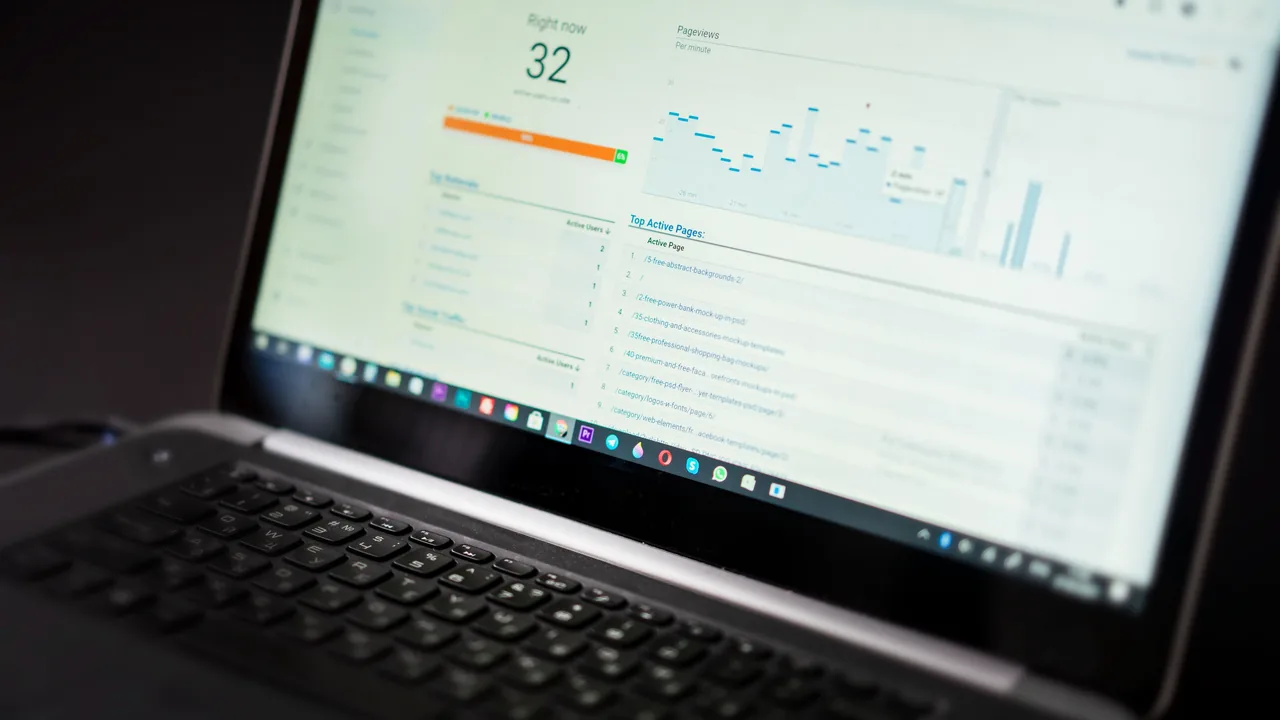
Rankings matter, but spa SEO should be measured by bookings and qualified actions. Track organic sessions by page type, Google Business Profile calls, direction requests, booking clicks, WhatsApp taps, phone calls, form submissions, package enquiries and assisted conversions. Separate branded traffic from non-branded discovery. Separate map interactions from website sessions. Separate treatment pages from blog articles.
For reputation, track review count, rating, review velocity, response time, treatment mentions, negative review themes and policy-violation cases. For AI visibility, track prompt inclusion, citations, source types, competitor mentions and missing evidence. For social, track profile clicks, saves, shares, booking link clicks and content themes that generate questions.
The best monthly report does not drown the owner in dashboards. It explains what changed, what caused the movement, which pages or profiles improved, which reviews affected trust, which AI prompts included the brand, and what should be done next.
A 90-day spa SEO action plan
Days 1 to 30: fix the foundation. Audit the site, Google Business Profile, citations, reviews, photos, schema, page speed and booking flow. Rewrite title tags and meta descriptions. Build or improve the main service pages. Correct NAP inconsistencies. Add fresh photos. Set up conversion tracking. Create a review request workflow that follows platform rules.
Days 31 to 60: build authority. Publish treatment guides, comparison pages and location-specific content. Strengthen internal links. Add FAQs and structured data. Create social content from the same topics. Reach out to local partners, hotels, directories and wellness publishers. Respond to reviews and escalate policy-violating negative reviews with evidence.
Days 61 to 90: optimize for AI and scale. Run the AI prompt test set. Identify which sources ChatGPT, Gemini, Claude and other tools use. Improve missing entity signals. Expand review collection. Add more original proof, photos, local guides and third-party mentions. Use grid tracking for Google Maps and prioritize areas where the spa is close to top positions.
Common mistakes in spa SEO
The first mistake is keyword stuffing. Repeating "best spa massage near me" twenty times does not create trust. A page wins when it is useful, specific and easy to act on. The second mistake is relying only on Instagram. Social media can create demand, but search needs crawlable pages, profiles and citations. The third mistake is ignoring negative reviews until they become a pattern. Reputation management should be daily operations, not emergency cleanup.
The fourth mistake is hiding prices, duration and booking information. Some luxury spas avoid pricing because they want enquiries, but many searchers simply move to a clearer competitor. If exact prices vary, provide starting prices, package logic or consultation notes. The fifth mistake is using the same content for every location. Duplicate location pages rarely persuade users or algorithms.
The final mistake is treating AI search as a separate trick. AI visibility is usually the result of strong SEO, strong local proof, strong reputation and strong third-party evidence. If the public web cannot understand and trust the spa, AI tools will not have much to recommend.
Sources and further reading
- Google Search Central: optimizing for generative AI features
- Google Search Central: AI features and your website
- OpenAI Help Center: ChatGPT Search and sources
- Google AI for Developers: grounding Gemini with Google Search
- Anthropic Help Center: Claude web search and citations
- Google Business Profile Help: reporting inappropriate reviews
- Google Search Central: Local Business structured data